
How One VC Fund Won Back 1–2 Hours a Day
A VC fund's associates piped 20–30 weekly deal evaluations — transcripts, emails, memos — into a single AI dashboard, reclaiming 1–2 hours a day for founder meetings and sourcing.
1–2 hrs/day
Returned per associate per day

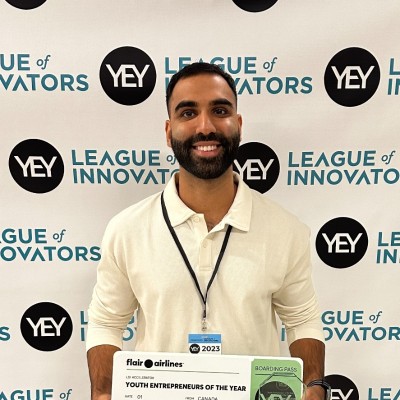
Aanikh Kler
Lazer Technologies | Co-Founder Surf (acquired) | Canada's Young Entrepreneur of the Year 2023

Lazer Technologies
Connect ↓
The Challenge
A venture capital fund running 20–30 company evaluations per week was drowning in fragmented deal intelligence — transcripts, emails, investment memos, and external research spread across dozens of stakeholders with no central system. Associates spent hours each day manually collecting and synthesizing information that should have been instantly accessible, leaving zero time for the sourcing work that actually drives fund performance.
What They Built
Lazer Technologies built a custom internal dashboard that automatically ingested all deal-related data — call transcripts, emails, investment memos, stakeholder messages, and proprietary industry data — into a single view filterable by stage, vertical, and revenue. An OpenAI-based LLM summarized long transcripts with VC-specific framing, surfacing only the most relevant takeaways. The unexpected outcome: the tool redefined the associate role entirely — freeing staff from research compilation to focus on what VCs do best: sourcing and meeting founders.
Lazer Technologies began by auditing how a VC firm running 20–30 evaluations per week actually consumed information. The problem was fragmentation: transcripts lived in one tool, emails in another, memos in a third, and external research was scattered across stakeholders. No single associate could synthesize a full picture without hours of manual aggregation. The solution was a custom dashboard built in React and Node.js that automatically ingested all deal-related data types into a unified interface filterable by deal stage, vertical, and revenue range. An OpenAI-based LLM layer was integrated to summarize call transcripts, applying VC-specific framing that surfaced only the most investment-relevant insights. The unexpected finding during rollout was structural: the tool didn't just save time — it redefined what the associate role should be. By eliminating research compilation, it freed the team to focus on the highest-value activities that drive fund performance. The dashboard was built and deployed within four to eight weeks.
Infrastructure
OpenAI (LLM for transcript summarization) • React (frontend dashboard) • Node.js (backend data ingestion and API layer) • Deal data sources: call transcripts, email, investment memos, proprietary industry data
Integration Points
Call transcripts, emails, and investment memos → Node.js ingestion layer → unified data store • Data store → React dashboard with stage/vertical/revenue filters • Long transcripts → OpenAI API → VC-framed summaries surfaced in dashboard • Dashboard → associate workflow for deal review and decision support
Impact
1–2 Hours Returned to Associates Daily
Associates recovered an estimated 1–2 hours per day previously lost to manual note collection and memo synthesis — time reallocated directly to founder meetings and deal sourcing.
20–30 Active Deals in a Single Dashboard
The fund went from fragmented, siloed data across emails and transcripts to instant visibility into all active deals, filterable by stage, vertical, and revenue.
LLM Summarization Tailored to Investment Context
Call transcripts summarized through an OpenAI-based LLM with VC-specific framing — not just what was said, but what matters to a fund with this thesis — making intelligence immediately actionable.
Implementation Complexity
Best Fit For
VC and investment fund operators frustrated by time associates spend on research synthesis rather than deal sourcing; knowledge-intensive teams in legal, consulting, or due diligence managing high-volume multi-source information.